- Dr. Jeffrey Shields, Lead Scientist
- David Jones, Lab Specialist Senior
- Lindsey "Smitty" Smith, Lab Specialist
- Xuqing Chen, Graduate Student
- Ella Indseth, Undergraduate Student
- Claire Adrian-Tucci, Teacher Research Intern
- Luisa Hays, Teacher Research Intern
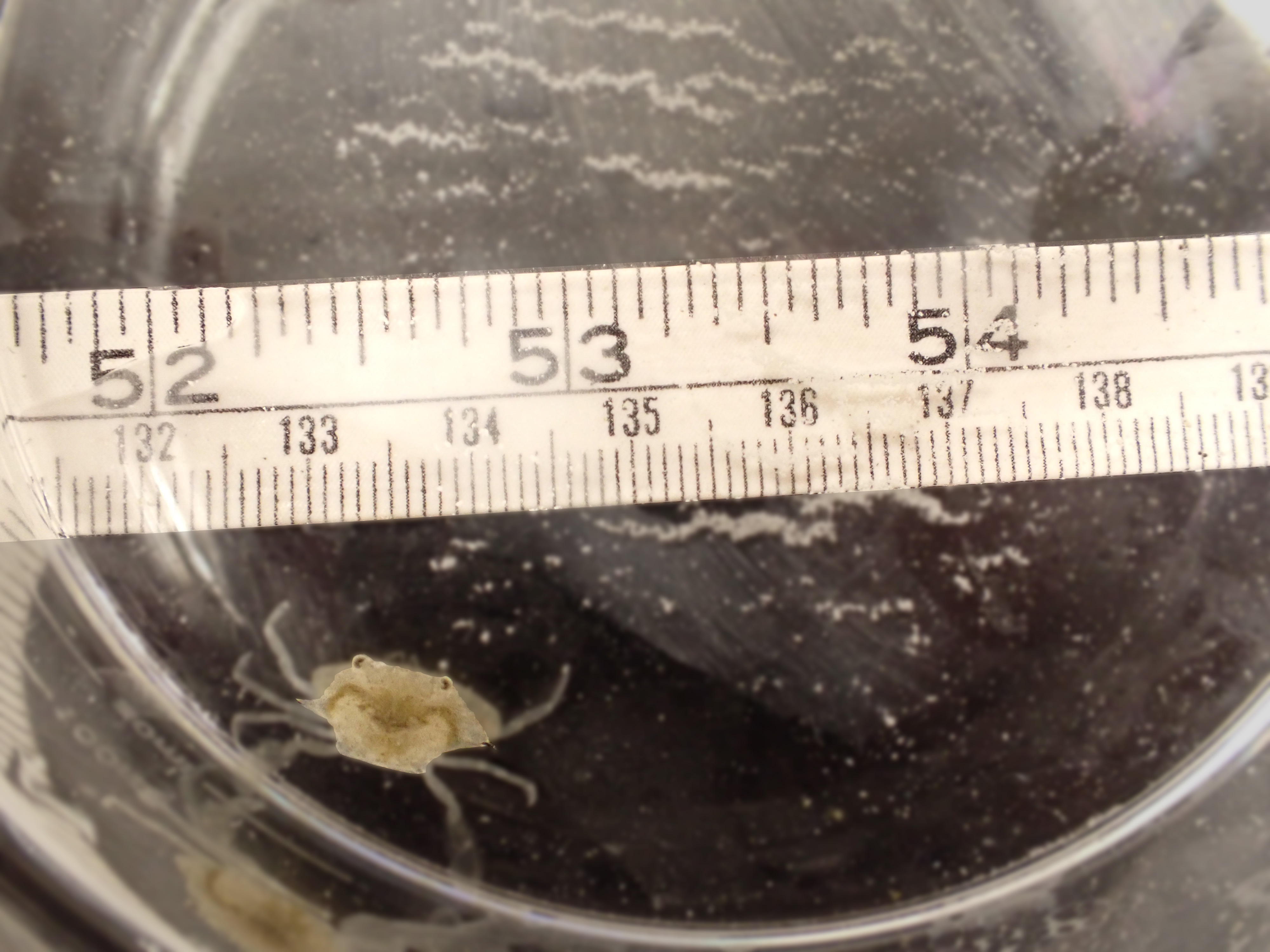
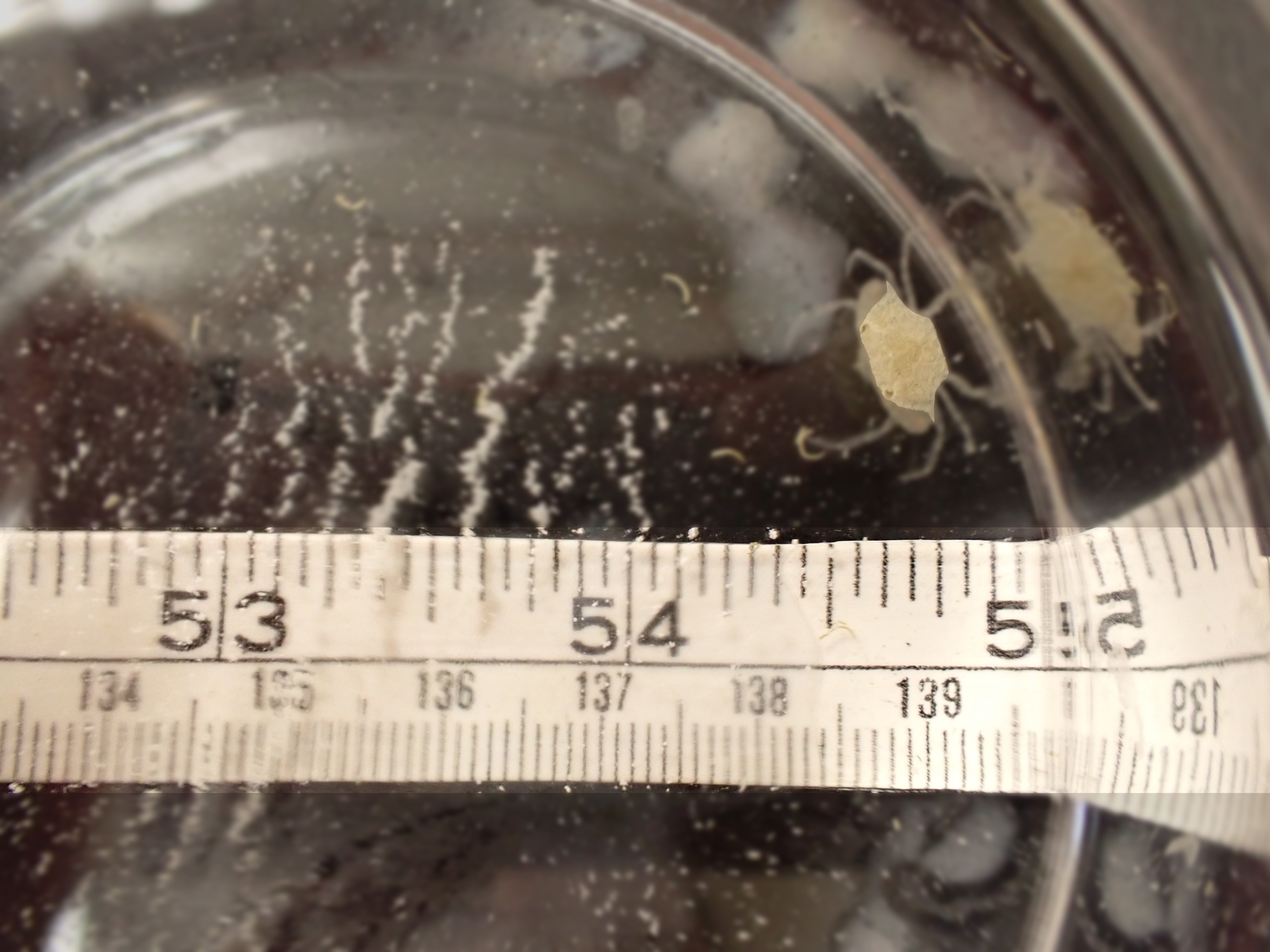
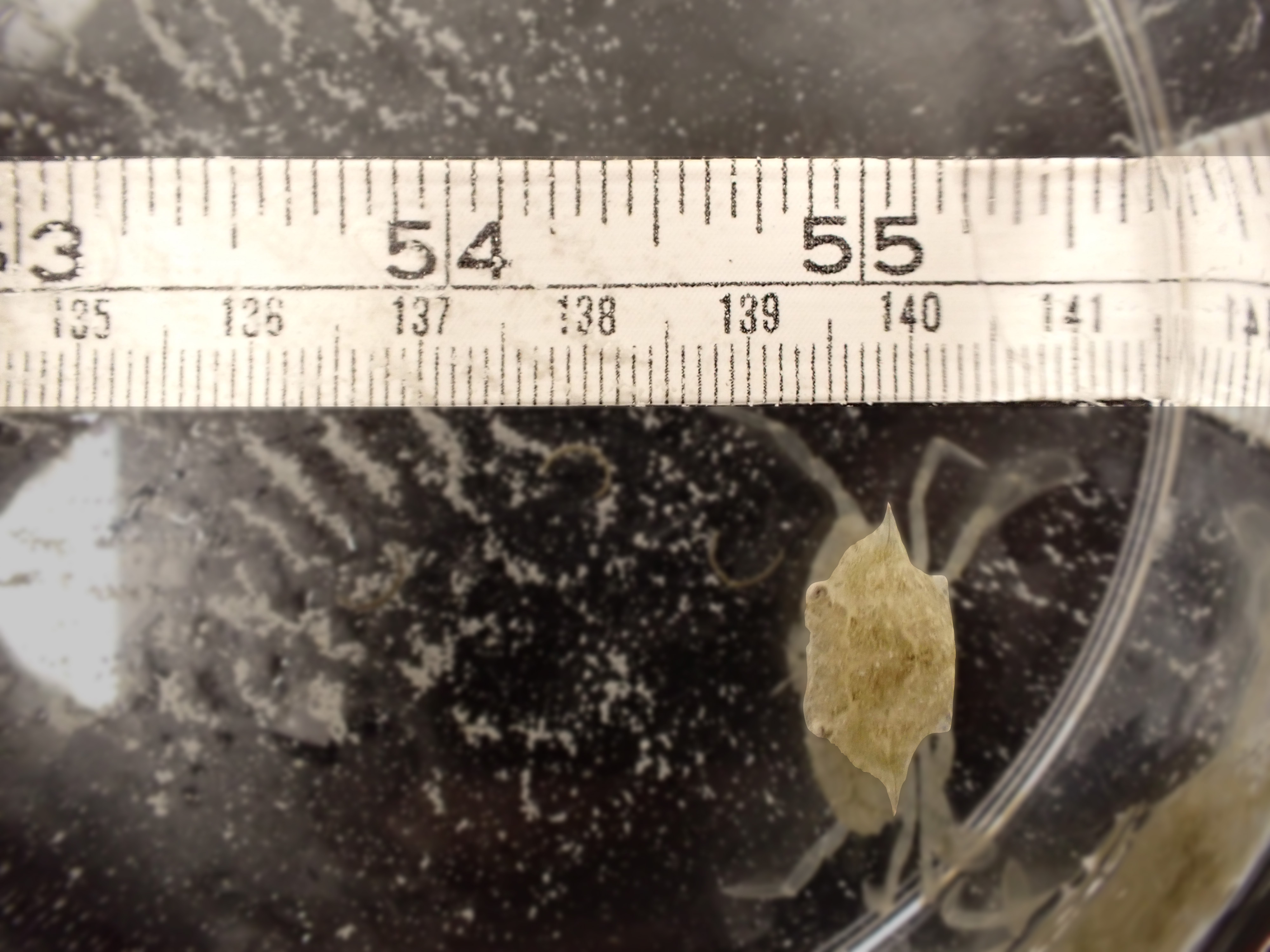
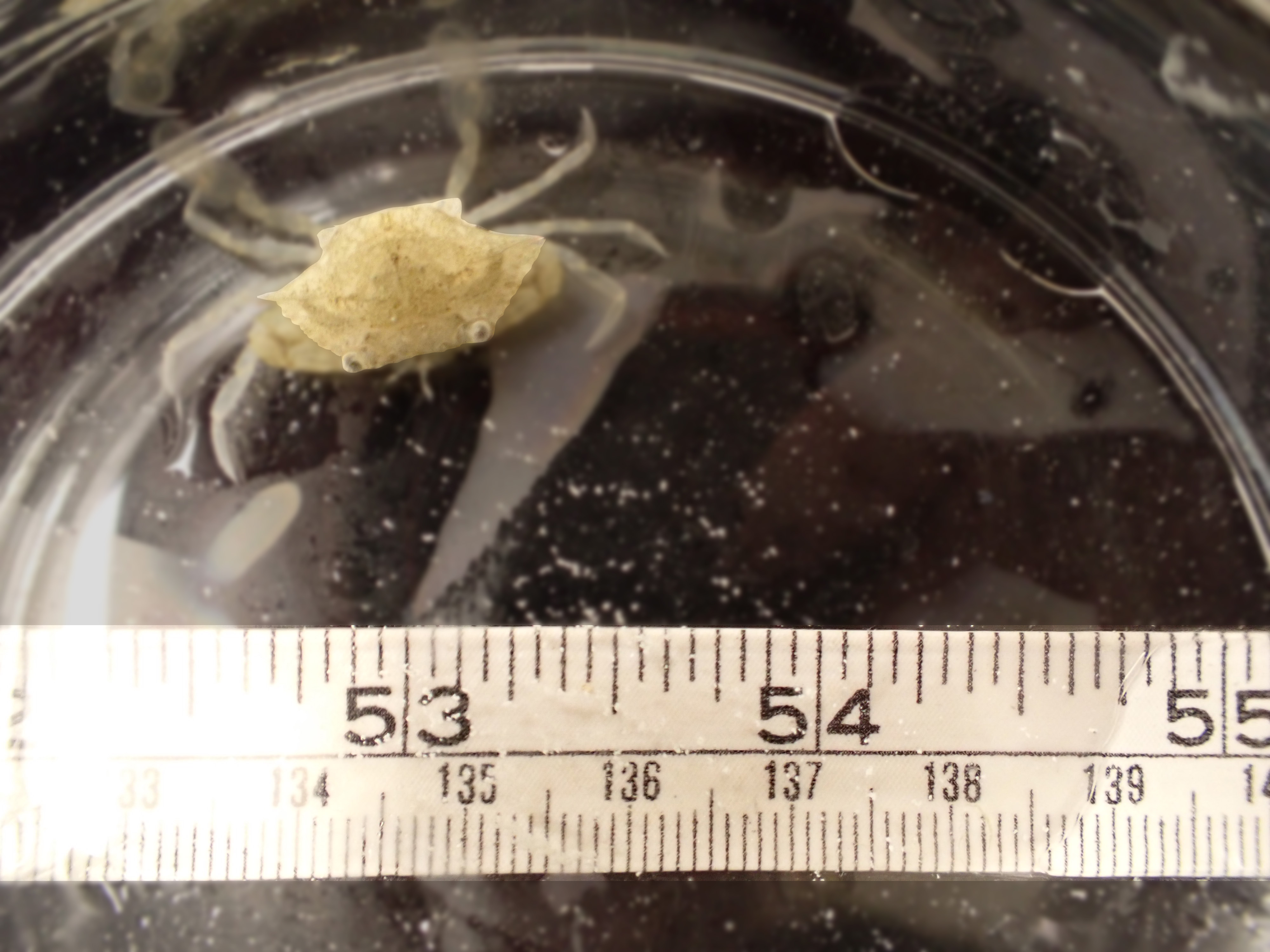
Dr. Jeff Shields' research team recevied a 5-year National Science Foundation (NSF) grant to study blue crabs and their blood parasite Hematodinium.
TRIs Claire & Luisa spent two weeks with the research team in June 2024 to work alongside the research team and develop the lesson plan Gettin' Crabby about Parasites for high school biology classes. In this lesson, students act as scientists and create an experiment that will help them identify and analyze the prevalence of the Hematodinium parasite in blue crab. You can find this lesson plan and associated files in the right-hand column.
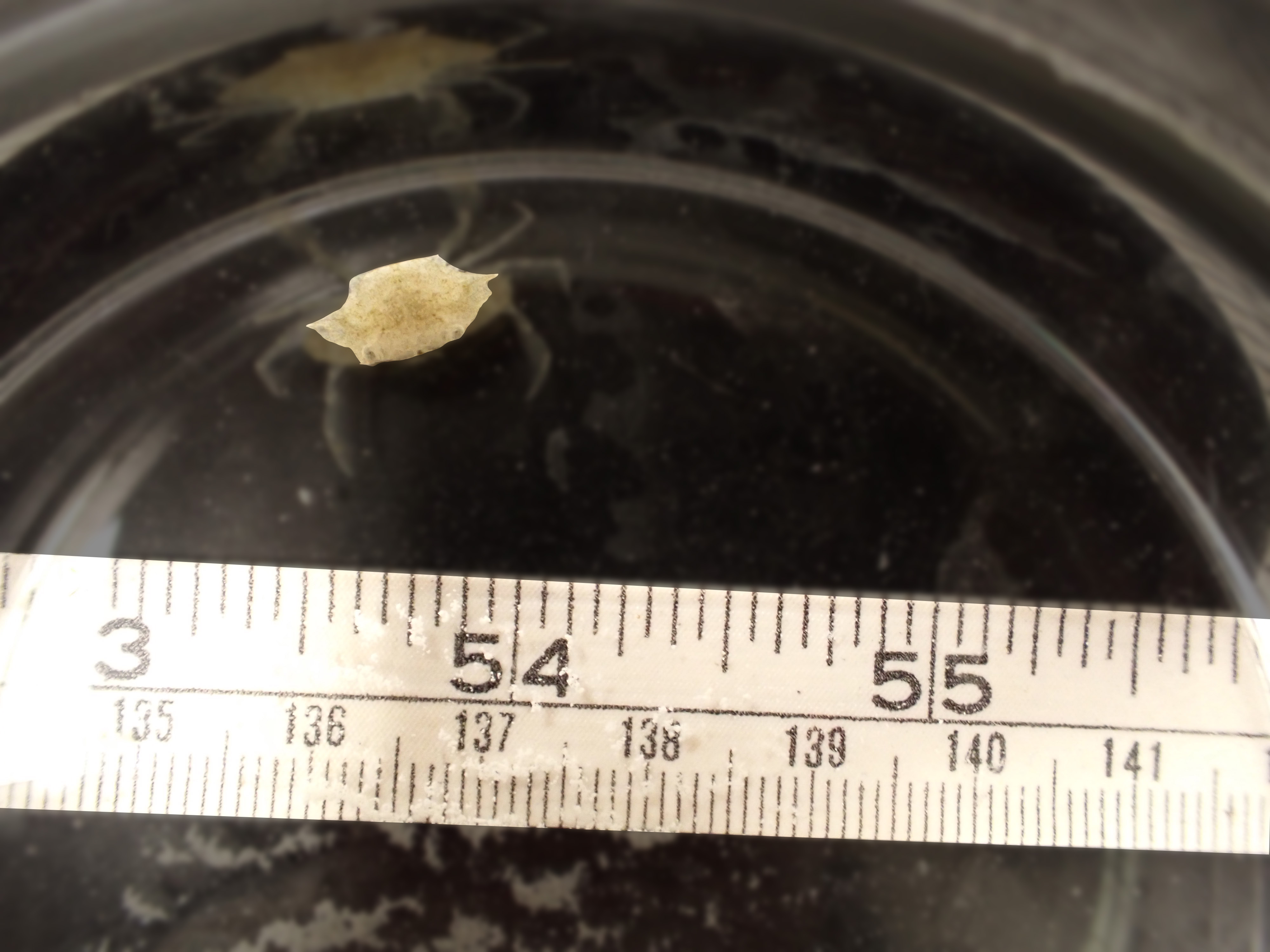
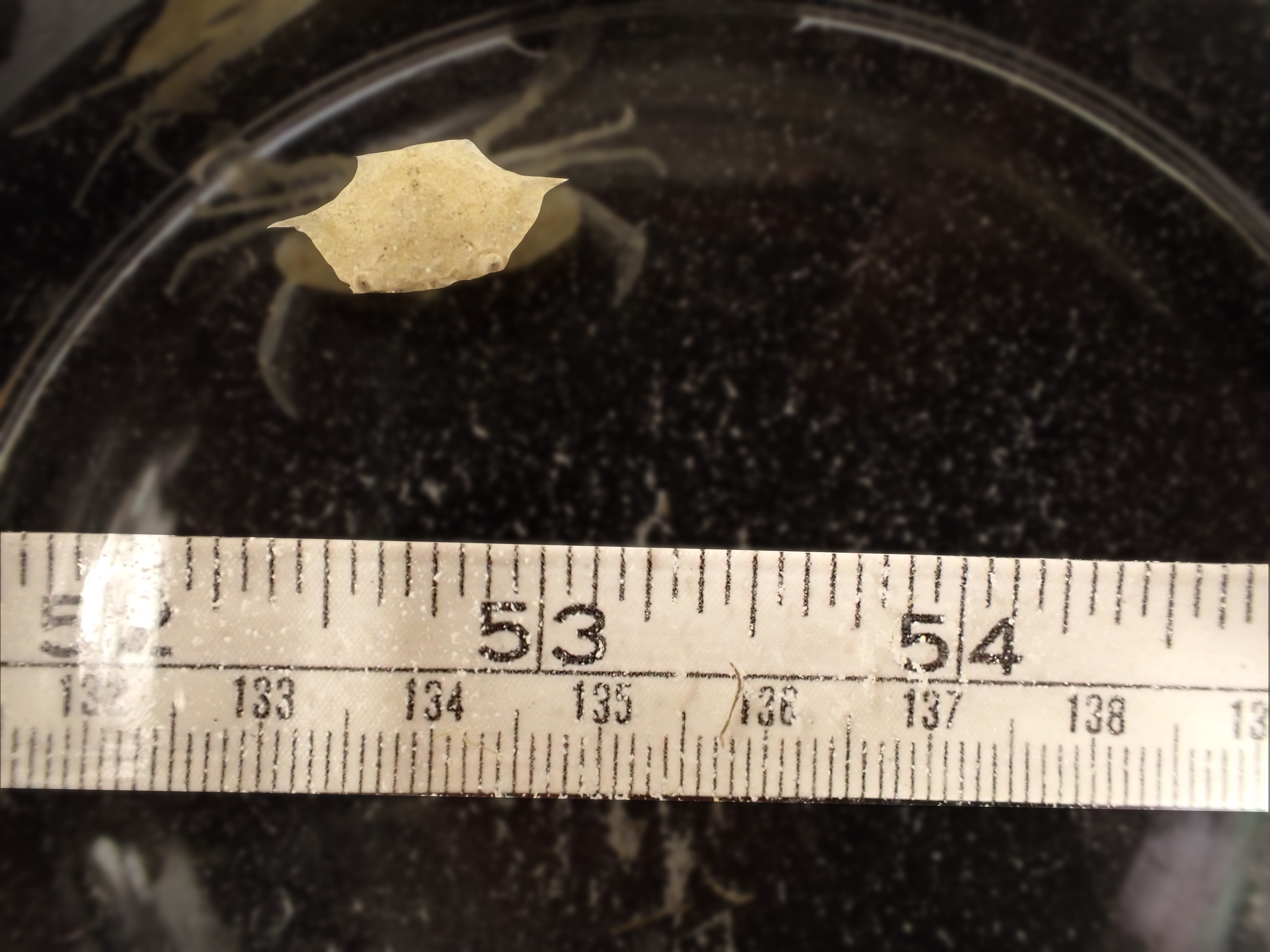
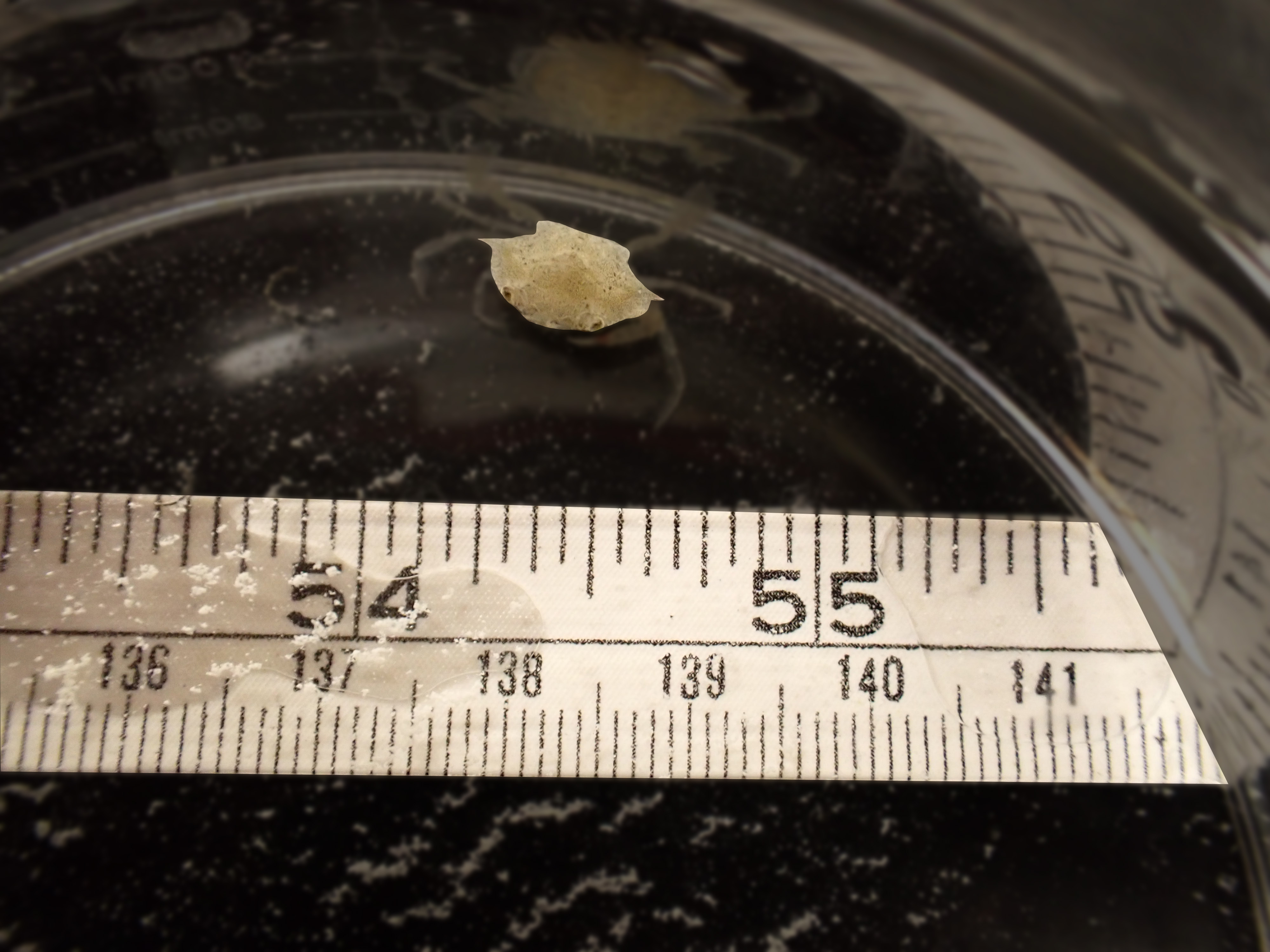
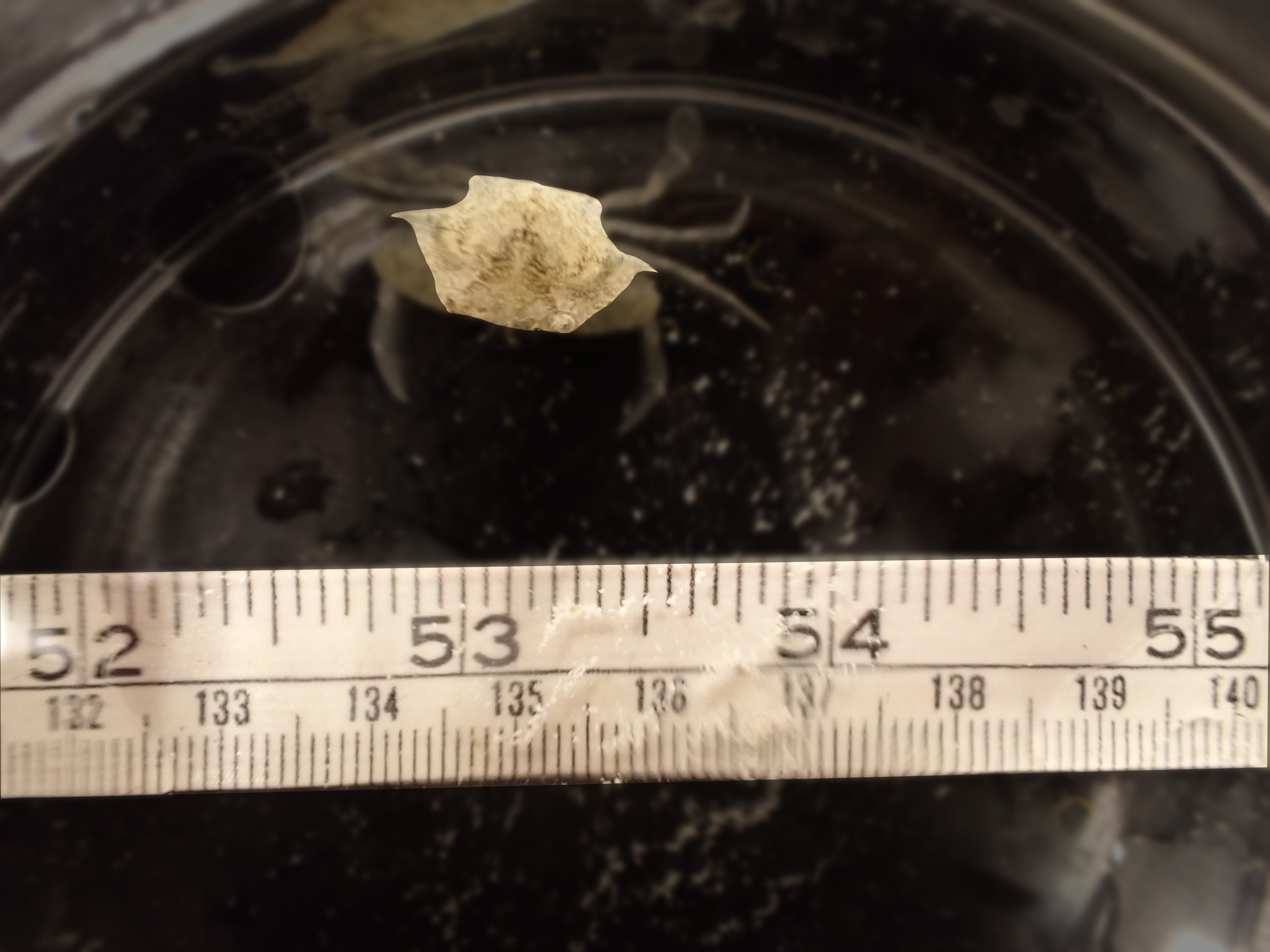
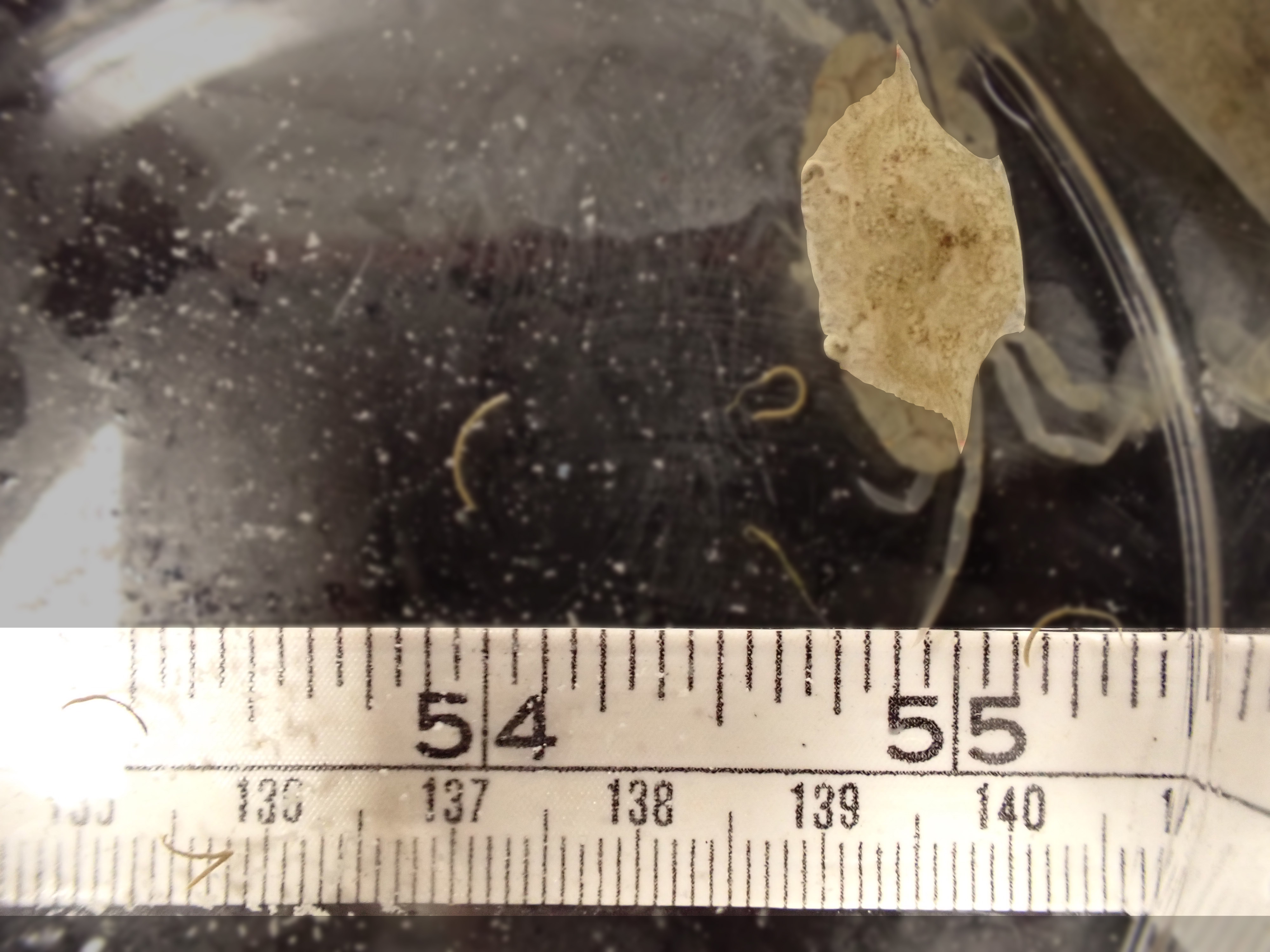
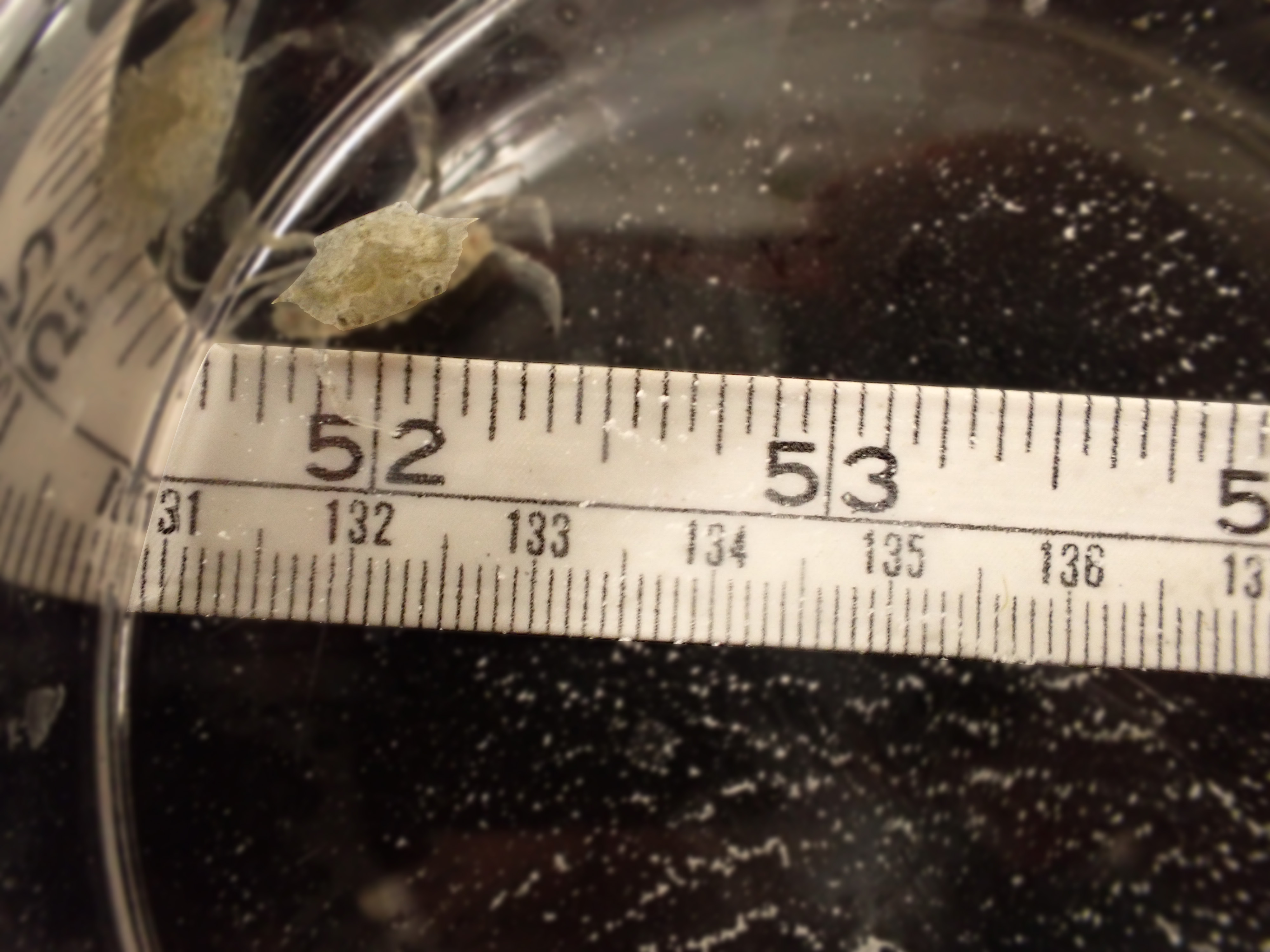
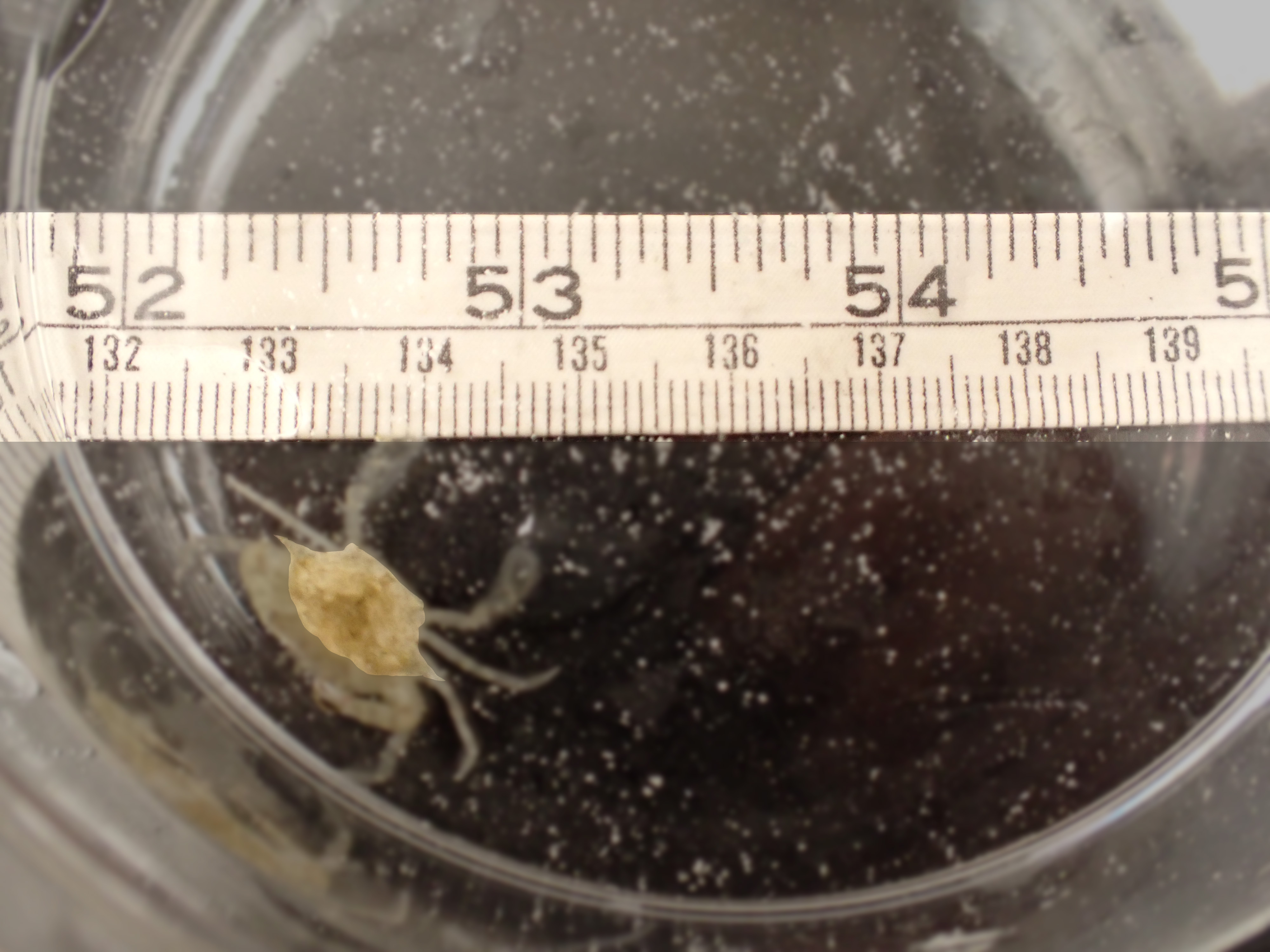
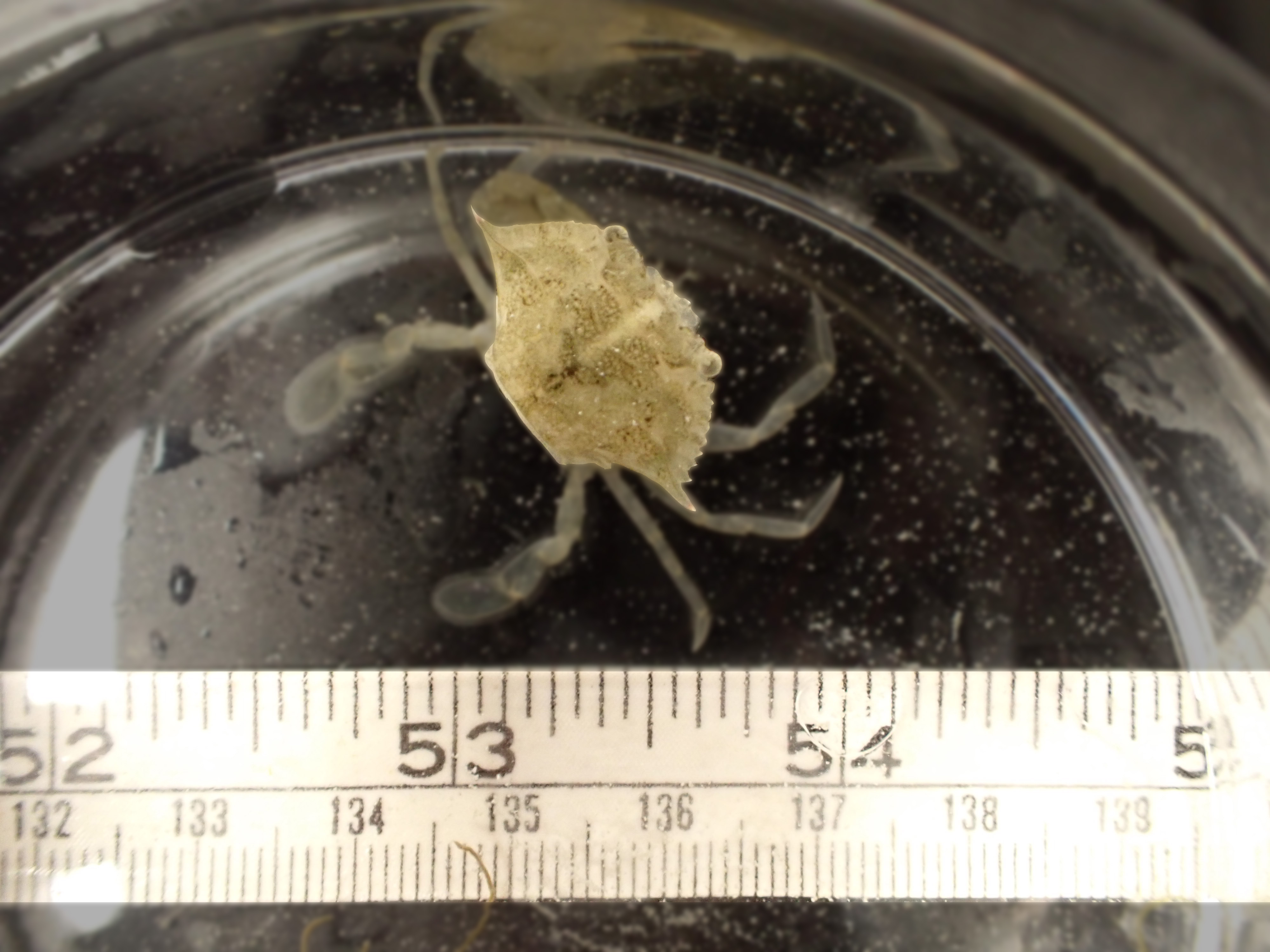
More than 50% of lives on Earth are parasites and almost every living organism has a parasite. Some marine parasites have received attention because they can have a significant impact on commercially important seafood species like blue crabs, Snow crab and other crustaceans. In the Chesapeake Bay, blue crabs are the largest commercial fishery and they harvest an average of 61 million pounds of blue crab per year. The population crashed in 2008 and was declared a fishing catastrophe. In 2022 the population plummeted to the lowest level seen in 33 years.
One of the biological factors that could affect blue crab population is disease. Hematodinium is a parasite that lives in the blood of crustaceans. (Hema- means “blood”). Hematodinium infects more than 40 species of crustaceans around the world. Infected Blue crabs do not look different by sight. The easiest way to identify if the crab has this disease is to take a blood sample and stain it with neutral red and diagnose it with a microscope.